Hi there
👋 Welcome to our export service! How can I assist you today?
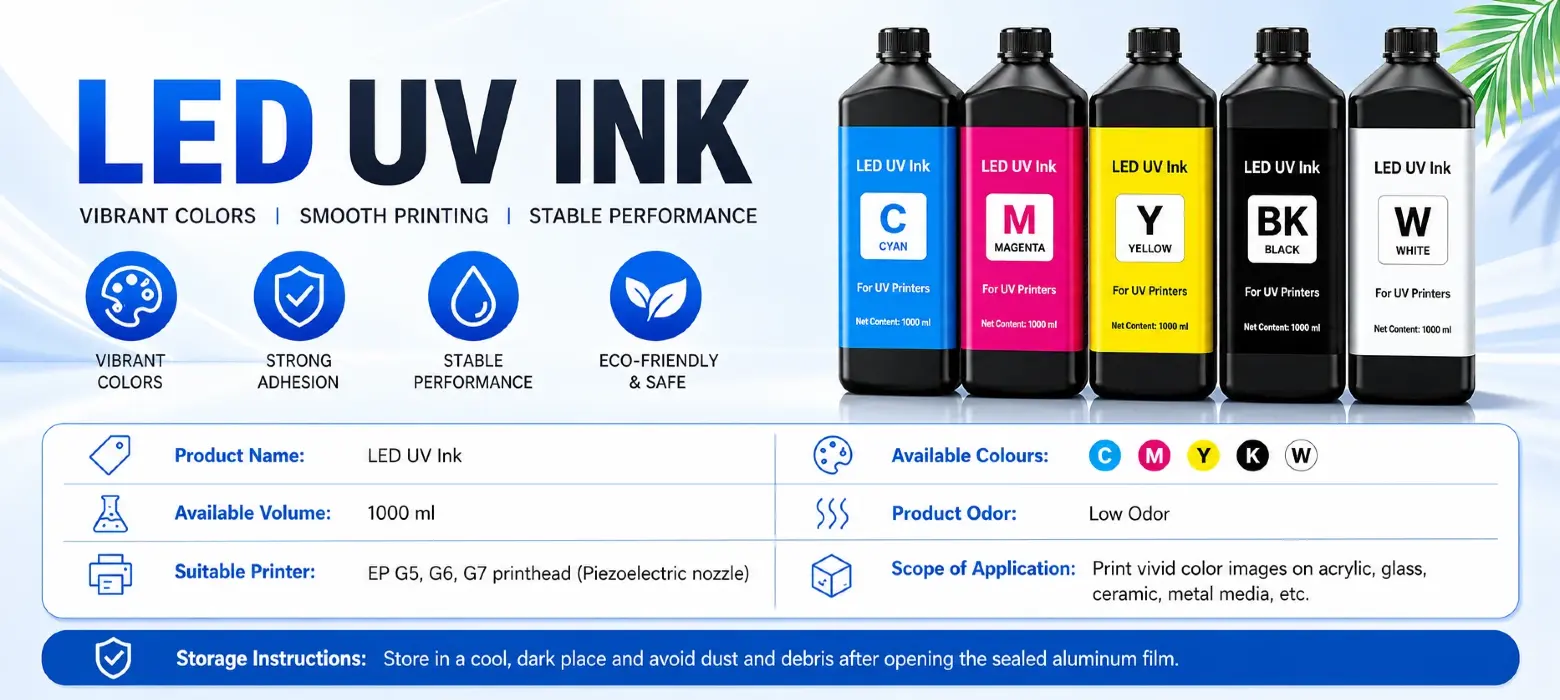
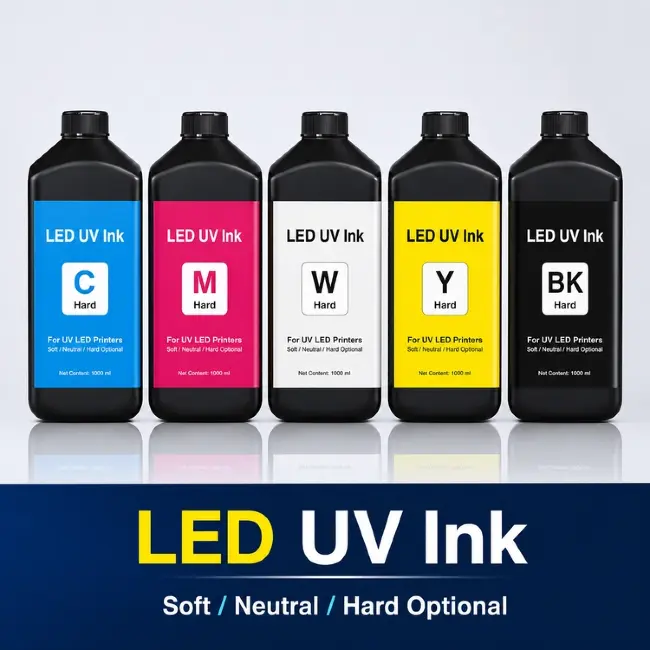
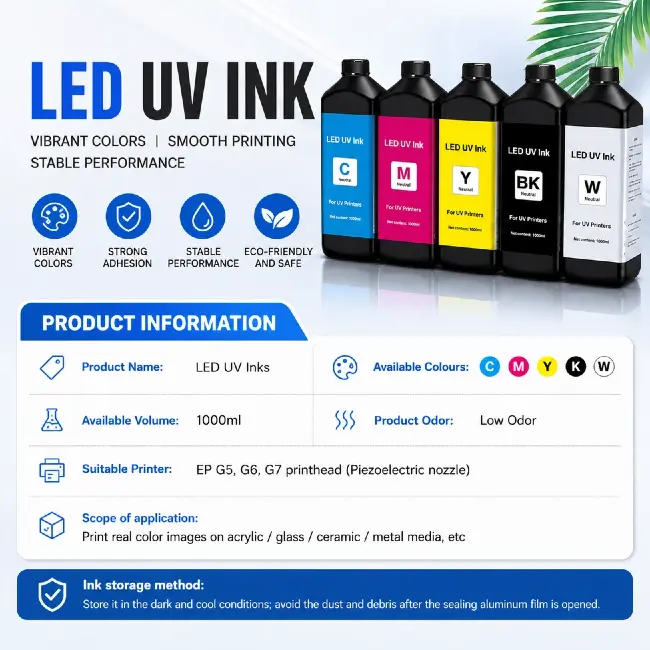
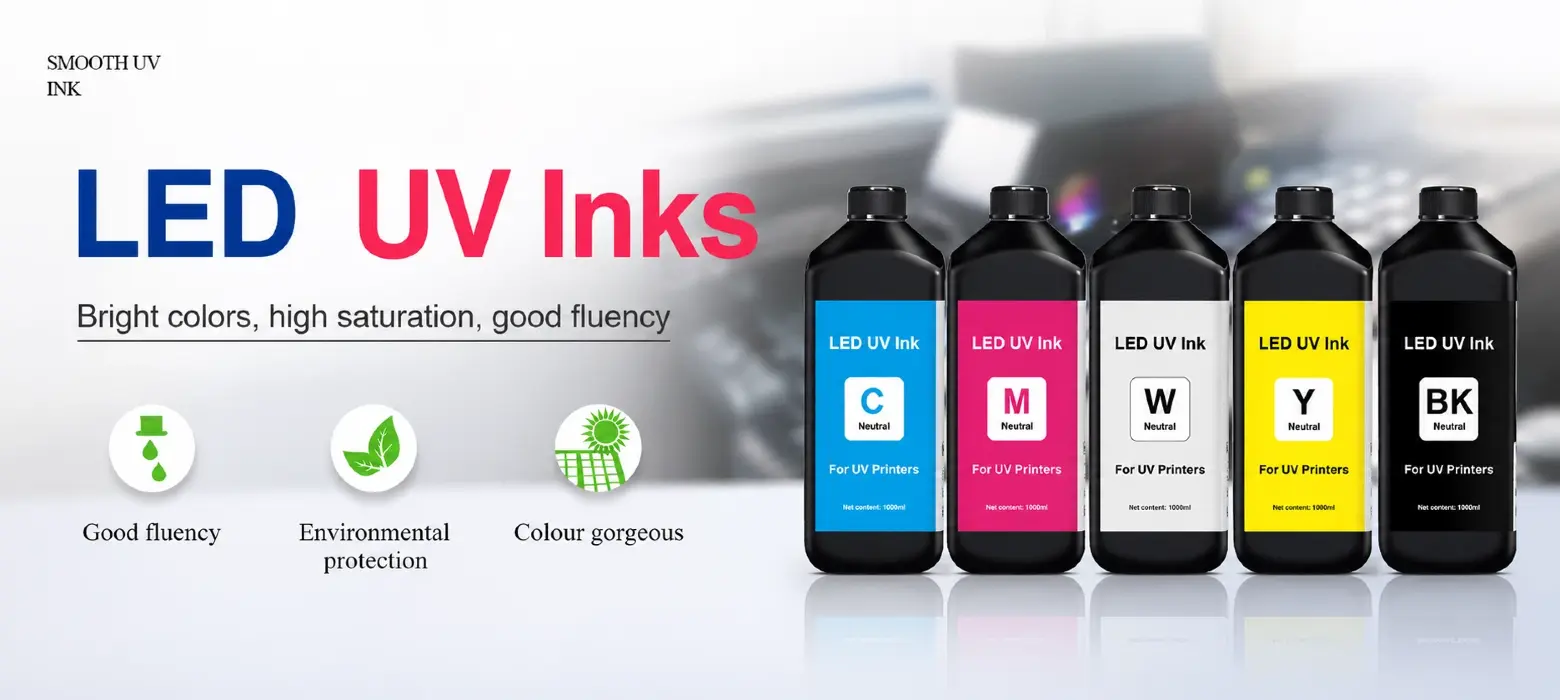
Black CMYKW flexible neutral hard UV ink set for Epson printhead full color printing
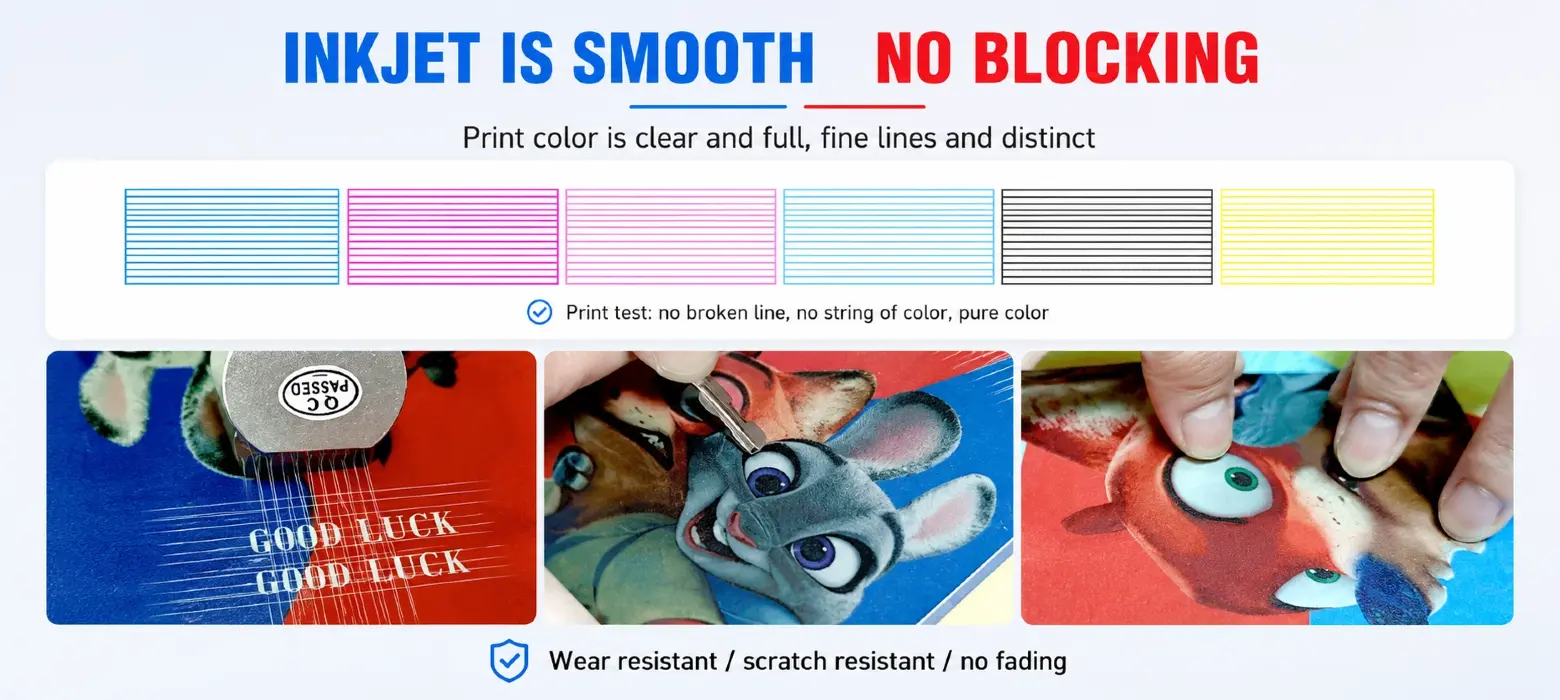
High smooth LED UV ink anti clog formula for Epson DX5 DX7 printhead
Flexible UV ink for soft substrate leather TPU PVC printing Epson printer
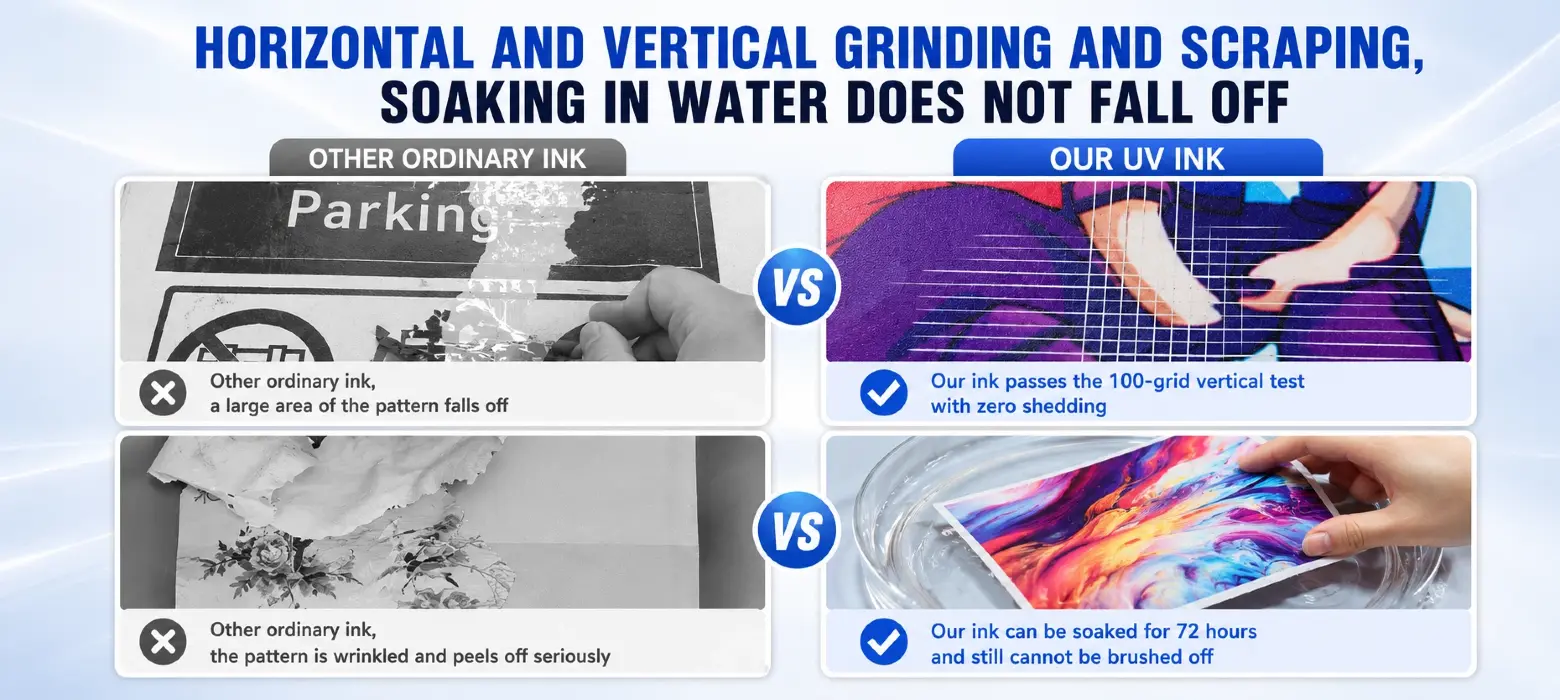
Hard UV ink high scratch resistance for rigid material glass metal ceramic Epson printing
Neutral universal UV ink mixed hard soft substrate printing Epson printhead
Industrial grade eco friendly UV ink low odor fast curing for Epson UV printer

Multi-Grade LED UV Ink – Flexible / Neutral / Hard Formula Compatible With All Epson Printheads

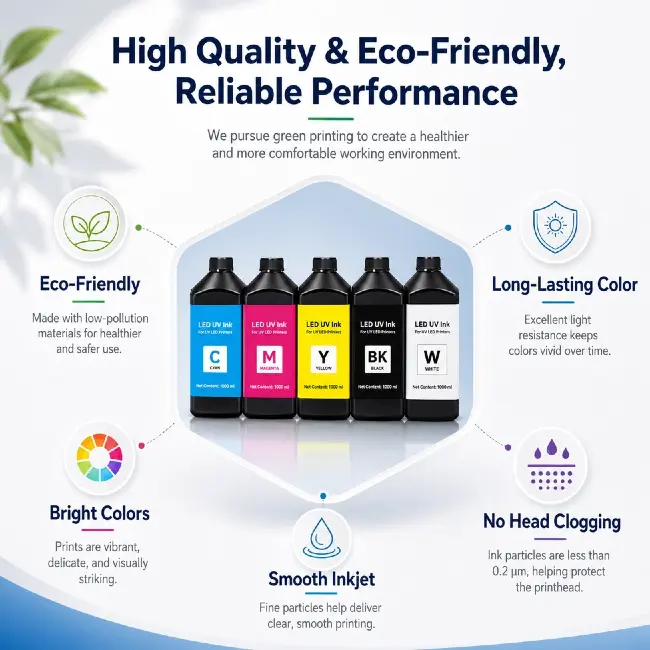
Our UV ink features three formulas: flexible UV ink, neutral UV ink, and hard UV ink. Specially formulated for full compatibility with Epson DX5, DX7, XP600, TX800, I3200 and other mainstream Epson printheads. This LED curable UV ink delivers smooth printing, zero printhead clogging, fast curing speed, strong adhesion and excellent scratch resistance

Models: Flexible,Neutral,Hard
Ink Capacity: 1000 ML
MOQ: 4 Set
Ink Type: uv ink
Weight: 1.5 KG
Packing: carton packaging
Shelf Life: 12 Month
Optional Colors:

Multi-Grade LED UV Ink – Flexible / Neutral / Hard Formula Compatible With All Epson Printheads

Our professional UV ink for Epson printhead is a high-performance LED curable printing ink independently developed for all series Epson UV printers. To meet diverse printing substrate and scenario demands, we provide three core formulas: flexible UV ink, neutral UV ink and hard UV ink. Different from ordinary universal ink, this Epson UV ink is precisely calibrated for Epson DX5, DX7, XP600, TX800, I3200 and other mainstream printhead structures, effectively solving common problems such as printhead clogging, uneven ink output, poor adhesion and easy cracking, becoming the preferred Epson UV printing ink for commercial printing factories, advertising studios and custom printing shops.

As a high-stability LED curable UV ink, it adopts imported environmentally friendly raw materials, featuring low odor, fast curing, low shrinkage and strong color reproduction. Whether you need to print flexible soft materials or rigid hard materials, our graded Epson UV ink can match the most suitable formula, greatly improving printing yield and finished product durability. Compared with ordinary UV ink on the market, our multi-grade Epson UV ink has better printhead compatibility, longer continuous printing stability and wider substrate adaptability.Epson UV ink raw material high purity formula production displayThree types UV ink flexible neutral hard classification comparison chart
Three Core UV Ink Formulas for Different Printing Needs

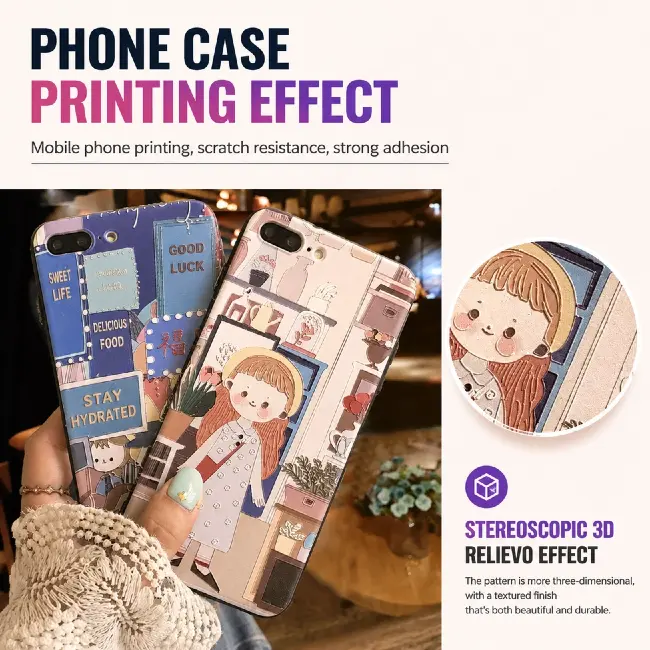
Flexible UV ink is specially designed for all kinds of soft and bendable printing substrates, perfectly compatible with all Epson printheads. This soft UV ink has ultra-high ductility and bending resistance, no cracking, no peeling and no color fading after repeated bending of printed materials. It is the best choice for soft material printing. The flexible UV ink features smooth ink feeding, fine printing dots and good layer adhesion, which can perfectly present delicate pattern details on soft substrates. Widely applied in TPU film, PVC soft board, leather, flexible sticker, textile flexible printing and other scenarios, solving the industry pain point that ordinary hard UV ink is easy to crack on soft materials.

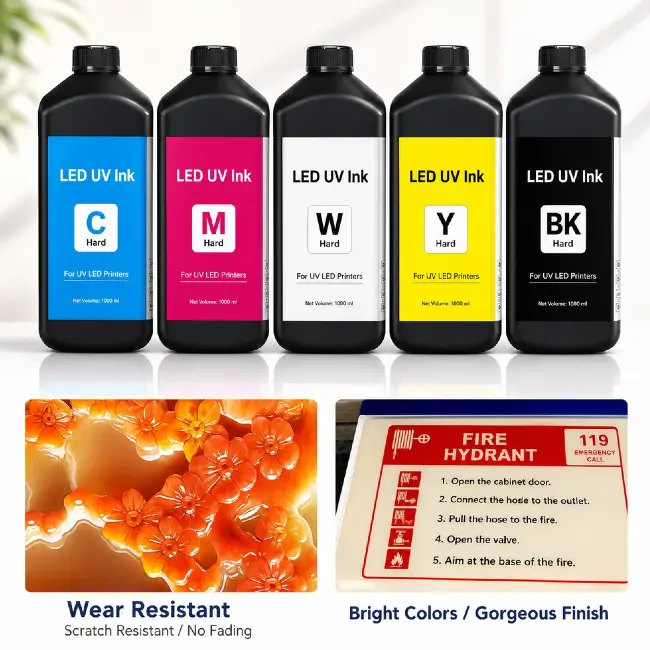
Hard UV ink is developed for rigid and high-hardness printing substrates, with super high hardness, scratch resistance and wear resistance. This Epson compatible hard UV ink forms a dense and firm ink film after LED light curing, with strong surface hardness, effective resistance to daily friction, scratch and corrosion, and long-term bright color without fading. It has excellent adhesion on smooth hard surfaces, no falling off or blistering. Suitable for glass, ceramic, metal, acrylic, wood, rigid plastic, tile and other hard substrate printing, widely used in advertising signs, decorative materials, craft gifts, hardware printing and other industrial fields, is the mainstream high-durability hard UV ink for Epson printer.

Neutral UV ink is a universal balanced formula between flexible UV ink and hard UV ink, perfectly solving the problem of frequent ink replacement for mixed hard and soft substrate printing. This neutral UV ink has moderate hardness and flexibility, not only maintains good scratch resistance of hard ink, but also has certain bending and cracking resistance of soft ink. It is fully compatible with all Epson printheads, with stable ink output and low loss. For small and medium printing enterprises and studios that need to print mixed substrates, neutral UV ink can replace two sets of hard and soft ink, saving ink cost, equipment maintenance cost and ink replacement time, greatly improving printing efficiency, and is the most cost-effective universal Epson UV ink.UV ink droplet test smooth ink output for Epson printhead
Product Specifications

Product NameFlexible / Neutral / Hard LED UV Ink for Epson Printhead
ColorCMYKW
Curing MethodLED UV Light Curing
Compatible PrintheadFull series Epson printheads
Grade OptionFlexible (Soft), Neutral (Universal), Hard (Rigid)
FeaturesAnti-clog, fast curing, high adhesion, scratch resistant, bendable, eco-friendly
Packaging Specification1000ML
Storage ConditionCool and dry place, avoid direct sunlight
Flexible UV ink bending test no cracking on soft film material

Core Advantages of Epson Special UV Ink

  • Full Epson Printhead Compatibility: This UV ink is professionally calibrated for Epson full series printheads, including DX5, DX7, XP600, TX800, I3200, I1600 and other common models. It matches the printhead ink channel and droplet size perfectly, realizing ultra-smooth ink output, zero printhead clogging, long-term continuous printing without failure, effectively protecting expensive Epson printheads and reducing maintenance costs.
  • Graded Formula & Wide Adaptability: Three optional grades of flexible, neutral and hard cover all UV printing scenarios. Flexible ink for soft materials, hard ink for rigid materials, neutral ink for mixed printing, meeting all personalized and industrial printing needs of customers.
  • Fast LED Curing & High Efficiency: Belongs to high-efficiency LED curable UV ink, fast curing under LED ultraviolet light, no waiting for drying, instant printing and instant curing, improving production efficiency by 30% compared with traditional UV ink. Low energy consumption, no heat damage to printing materials, suitable for precision material printing.
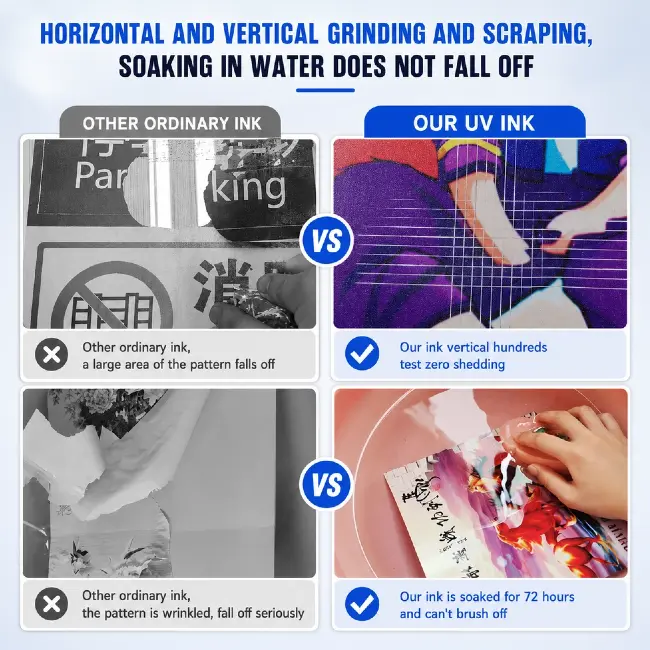
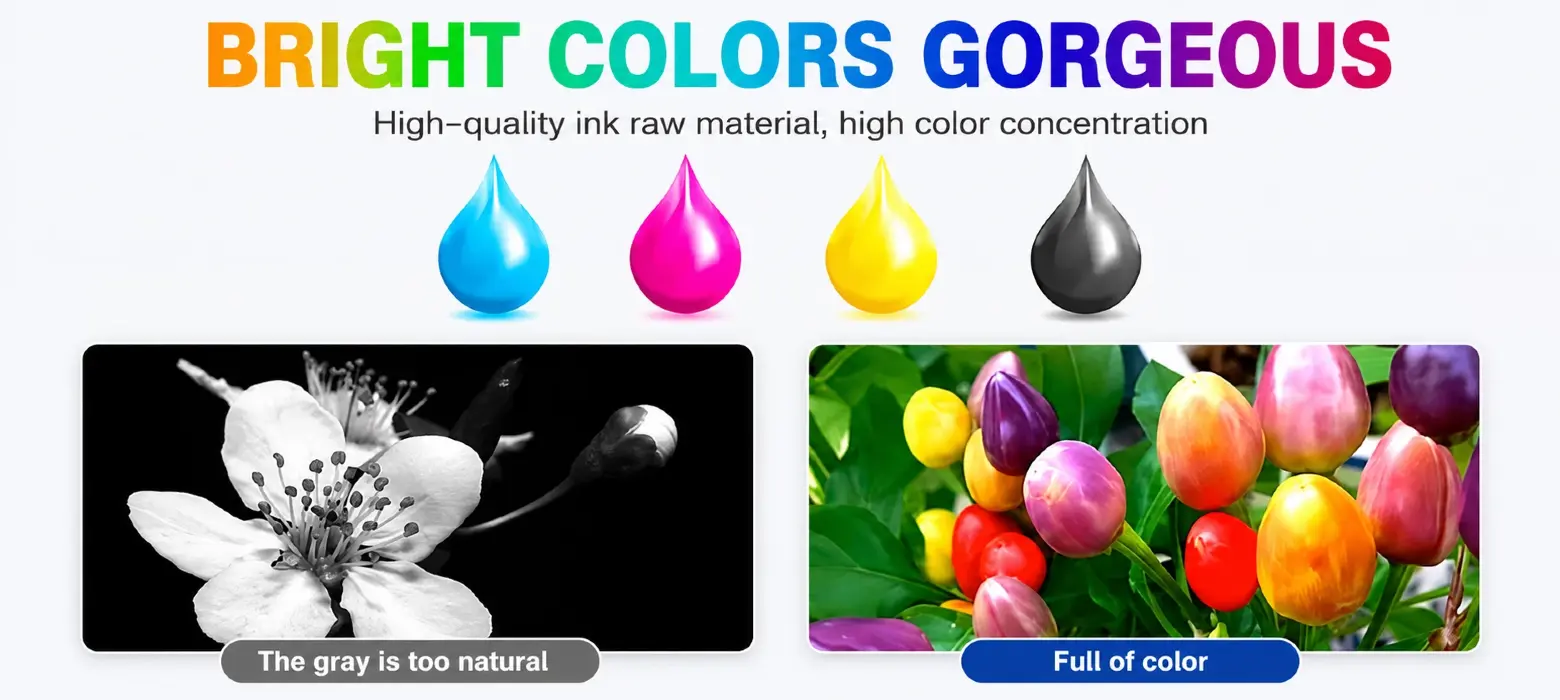
  • Excellent Printing Quality & Durability: High color saturation, wide color gamut, clear and delicate printing patterns, no ghosting or fogging. The cured ink film has strong adhesion, waterproof, wear-resistant, scratch-resistant and anti-aging properties, long service life of printed products, no fading and peeling for years.
  • Eco-Friendly & Safe: Adopts environmentally friendly imported raw materials, low odor, non-toxic, compliant with international environmental protection standards. No volatile harmful substances in the printing process, safe for operators and the environment, suitable for indoor and commercial printing scenarios.
Hard UV ink scratch resistance test rigid surface printing effect

Compatible Epson Printhead Models

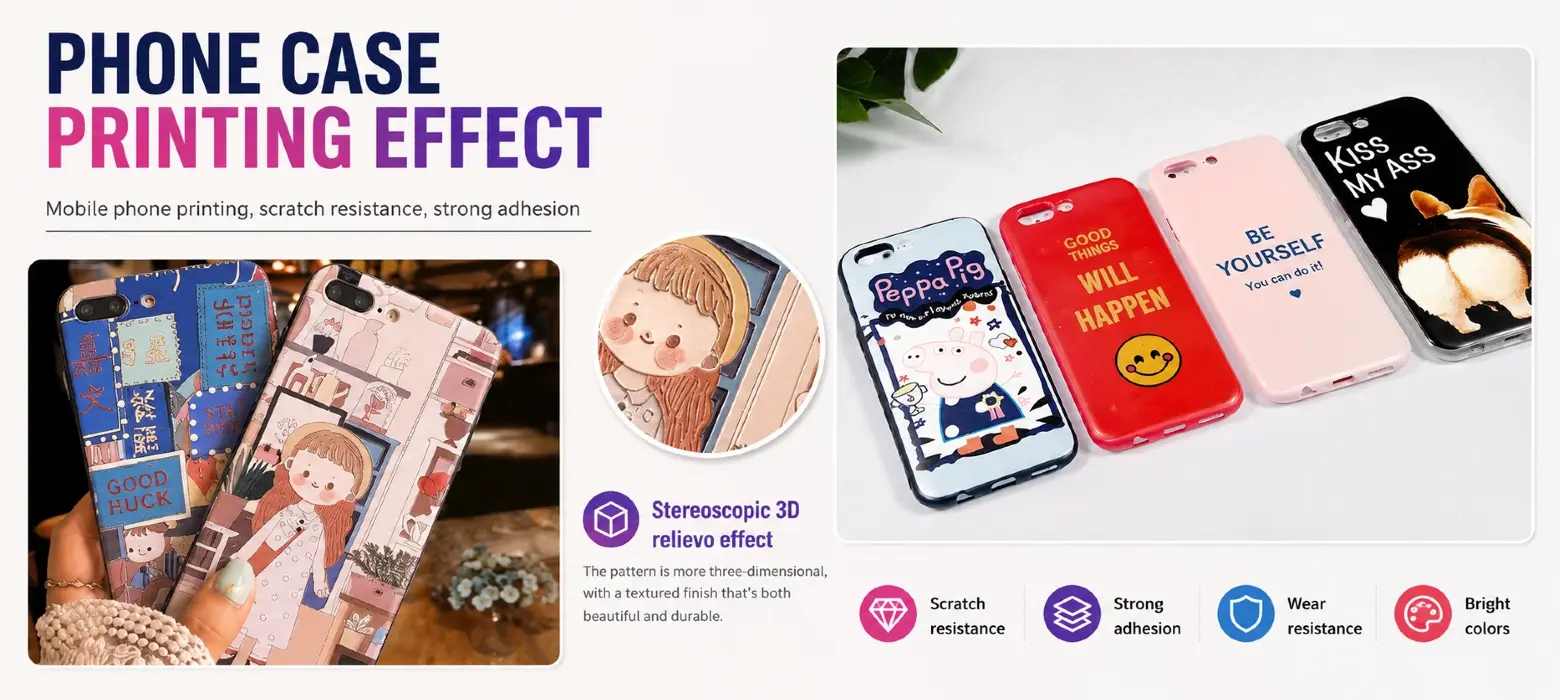
This multi-grade UV ink is fully compatible with all mainstream Epson UV printheads: Epson DX4, DX5, DX7, DX8, XP600, TX800, I3200-U1/I3200-U2, I1600, R1390, L1800, L805 and other Epson printhead models, supporting all desktop and industrial Epson UV printers.Neutral UV ink universal printing hard and soft substrate effect
Wide Application Scenarios

  • Flexible UV Ink Application: Soft film, TPU, PVC flexible board, leather products, flexible stickers, cloth materials, soft packaging and other bendable soft substrate printing.
  • Hard UV Ink Application: Glass, ceramic, tile, metal, acrylic, rigid plastic, wood, stone, advertising signboard, hardware crafts and other hard substrate printing.
  • Neutral UV Ink Application: Mixed hard and soft material printing, small batch multi-type order printing, studio universal printing, daily customized printing services.

Ordering Process

1

Submit inquiry

Fill in your requirements and contact information, and our sales consultant will contact you within 24 hours

2

Solution Confirmation

Provide customized solutions and quotations based on your needs, and sign the contract after confirmation

3

Payment Arrangement

Support multiple payment methods and flexible payment cycles to meet the needs of different enterprises

4

Delivery and Installation

Professional logistics delivery, engineers come to install and debug on-site, and provide operational training

5

After-sales Service

A comprehensive after-sales support system, regular maintenance, and fast response technical support

FAQ
What is Epson UV ink and what are its main advantages?
Epson UV ink is a specialized, solvent-free ink formulation engineered for Epson’s industrial and large-format UV printers. Unlike aqueous or eco-solvent inks, Epson UV ink uses a photo-reactive chemistry that instantly cures (hardens) when exposed to ultraviolet light. This technology delivers three core advantages: 1) Exceptional durability – the cured ink forms a robust polymer layer that is highly scratch-resistant, waterproof, and chemical-resistant, making it ideal for outdoor signage and industrial labels. 2) Versatile media compatibility – because the ink adheres via photochemical bonding rather than absorption, it can print on non-porous substrates such as acrylic, glass, metal, wood, and rigid plastics without pre-coating. 3) Instant drying – the on-demand curing eliminates drying time, enabling high-speed roll-to-roll and flatbed production workflows. For businesses, this translates to lower energy consumption (LED-UV curing), reduced volatile organic compound (VOC) emissions, and the ability to produce high-opacity white and clear varnish layers for premium tactile finishes.
Which Epson printer models are compatible with Epson UV ink?
Epson UV ink is specifically formulated for Epson’s industrial UV printer portfolio, including the SurePress series (digital label presses), SureColor SC-V series (flatbed and hybrid UV printers), and the Monna Lisa line for textile-UV hybrid applications. Key compatible models include the Epson SureColor V7000 (hybrid UV flatbed/roll), the SureColor S80600 (UV dual-roll), and the SurePress L-6534VW (UV inkjet label press). Importantly, Epson UV ink is not compatible with aqueous or solvent-based Epson desktop printers (e.g., EcoTank or WorkForce series) due to differences in printhead technology, piezoelectric voltage requirements, and fluid viscosity. Epson recommends using only genuine Epson UV ink cartridges or bulk ink systems with the matching ink code (e.g., T54 series for the V7000) to ensure optimal drop formation, nozzle reliability, and warranty compliance. Always cross-reference your printer’s service manual or Epson’s official ink compatibility matrix before purchasing.
How does Epson UV ink perform on different substrates (plastics, glass, metal)?
Epson UV ink exhibits superior adhesion across a wide range of rigid and flexible substrates due to its free-radical polymerization chemistry. On uncoated plastics (ABS, PET, polycarbonate), the ink achieves 5B adhesion ratings (ASTM D3359) without flame or corona treatment, though higher surface energy improves dot gain. On glass, the cured ink forms a mechanical interlock resulting in excellent transparency and a > 95% light transmission rate, ideal for interior décor and backlit displays – however, external glass applications require a secondary primer or flame-treatment for long-term weather resistance. For metals (aluminum, stainless steel, anodized surfaces), Epson UV ink provides strong chemical resistance to isopropyl alcohol and mild detergents, making it suitable for industrial nameplates and automotive trim. Key performance factors: 1) Ink flexibility – Epson’s formulation includes a proprietary oligomer blend that prevents cracking on bendable films (e.g., vinyl banners) at a 180° fold radius of ≤ 2 mm. 2) White ink opacity – the titanium-dioxide-based white variant delivers a density of ≥ 1.8 on dark substrates with a single pass. Always run a substrate profile using Epson Media Installer to calibrate UV lamp intensity (typically 60–100% power) and curing speed for optimal cross-linking.
What is the shelf life and proper storage condition for Epson UV ink?
Epson UV ink has a shelf life of 12 months from the manufacturing date when stored in unopened, factory-sealed cartridges or pouches under controlled conditions. The recommended storage temperature range is 15°C to 35°C (59°F to 95°F) with a relative humidity of 40–60%. Avoid exposing the ink to direct sunlight, UV radiation, or extreme temperature fluctuations, as premature photo-initiation can cause the reactive monomers to polymerize inside the container – leading to increased viscosity, sediment formation, and permanent printhead clogging. Once a cartridge is opened and installed in the printer, Epson advises using the ink within 30 days (for white ink) and 60 days (for CMYK/clear inks) due to moisture absorption and photo-initiator degradation. Critical storage guidelines: 1) Never refrigerate or freeze Epson UV ink – cold temperatures cause pigment agglomeration. 2) Shake white ink cartridges gently (not vigorously) every 48 hours if the printer is idle, as titanium dioxide particles settle faster than color pigments. 3) Always store cartridges upright with the ink outlet facing downward to maintain air-bubble-free fluid delivery.
How does Epson UV ink compare to third-party or generic UV inks?
While third-party UV inks may offer lower upfront costs, Epson UV ink is engineered with micro-filtered pigments (particle size < 0.5 μm) and a proprietary dispersant system that precisely matches Epson’s PrecisionCore printhead drop ejection frequencies (up to 50 kHz). Generic inks often have wider particle size distributions (1–3 μm) which accelerate nozzle wear, cause intermittent missing dots, and reduce printhead life from an average of 2 years to under 6 months. Additionally, third-party inks frequently lack the exact UV absorption spectrum required for Epson’s LED-UV lamp (385–405 nm), resulting in under-curing (tacky surfaces) or over-curing (yellowing and brittleness). From a compliance perspective, Epson UV ink is GREENGUARD Gold certified for low indoor emissions, RoHS and REACH compliant, and contains no benzophenone-type photo-initiators classified as potential carcinogens – certifications rarely matched by unbranded alternatives. Long-term, using genuine Epson UV ink preserves your equipment warranty, maintains color consistency (ΔE < 2 across production runs), and reduces maintenance costs due to fewer head cleanings and wiper replacements.
How to handle and dispose of Epson UV ink safely?
Epson UV ink is classified as a non-hazardous liquid under OSHA and CLP regulations, but it contains acrylate monomers and photo-initiators that can cause skin sensitization. Personal protective equipment (PPE) – nitrile gloves (minimum 0.11 mm thickness), safety goggles, and long-sleeved clothing – is mandatory during cartridge replacement, bulk refilling, or spill cleanup. In case of skin contact, wash immediately with soap and cold water (not warm, as heat accelerates dermal absorption) for 15 minutes; for eye contact, flush with saline solution and seek medical evaluation. For spills on the floor, use absorbent pads (polypropylene-based) and avoid sweeping, which creates airborne dust. Disposal must follow local electronic waste (e-waste) and chemical regulations: 1) Never pour liquid ink down drains or into municipal sewage systems – the pigments and acrylates are toxic to aquatic life. 2) Empty cartridges should be collected via Epson’s recycling program (available in EU, US, and Japan) or sent to a licensed hazardous waste facility, as residual ink (~5–10% by volume) remains in the sponge bag. 3) Cured ink waste (e.g., from cleaning swabs or starter kits) is considered solid non-hazardous waste but should be incinerated in a controlled environment. Always consult the Safety Data Sheet (SDS) for the specific ink code, as white and clear varnish variants have slightly different disposal parameters.