Hi there
👋 Welcome to our export service! How can I assist you today?
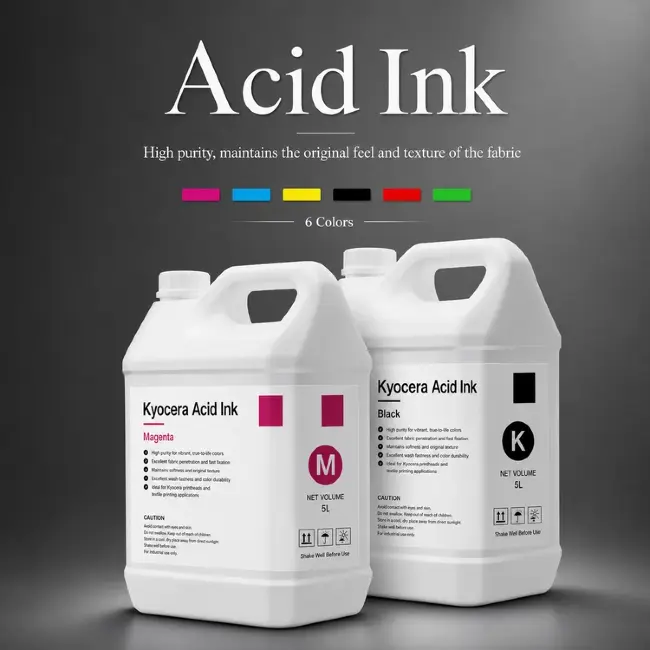
Acid ink multi-color set, high vibrancy water-based acid printing ink for textile fabric
Pure liquid acid ink, high solubility professional acid dye ink for printing
Waterproof acid ink, high color fastness acid ink for wool silk fabric printing
Eco-friendly acid ink, non-toxic water-based acid printing ink for art creation
Concentrated acid ink, long-lasting color acid ink for industrial textile printing
Custom color acid ink, stable formula acid dye ink for fabric dyeing

Professional Water-Based Acid Ink, High Vibrancy & Color Fastness Acid Printing Ink for Textile Fabric and Art Printing

Our acid ink is a high-performance water-based acid dye ink specially formulated for professional textile printing, fabric dyeing and fine art printing. This acid ink features ultra-high color saturation, outstanding water solubility and superior color fastness, avoiding fading and bleeding after washing

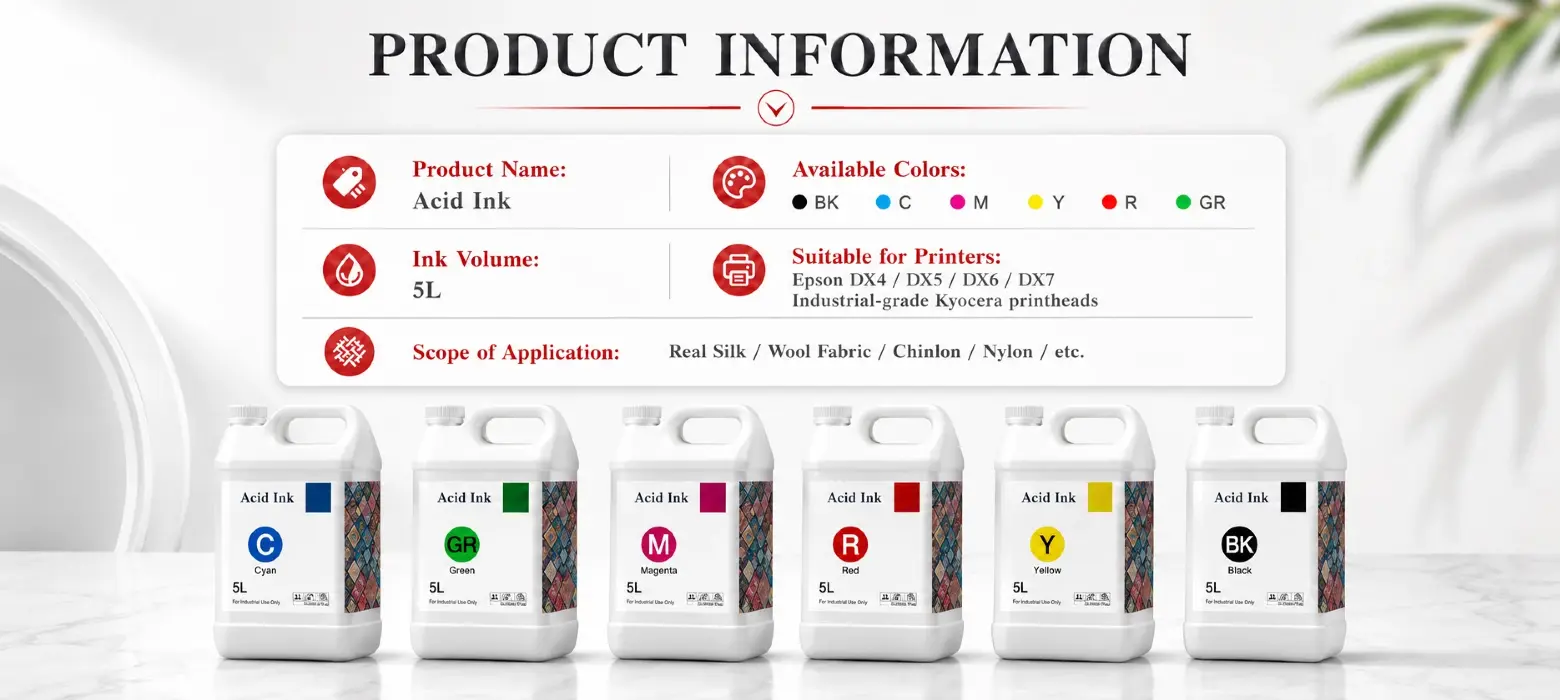
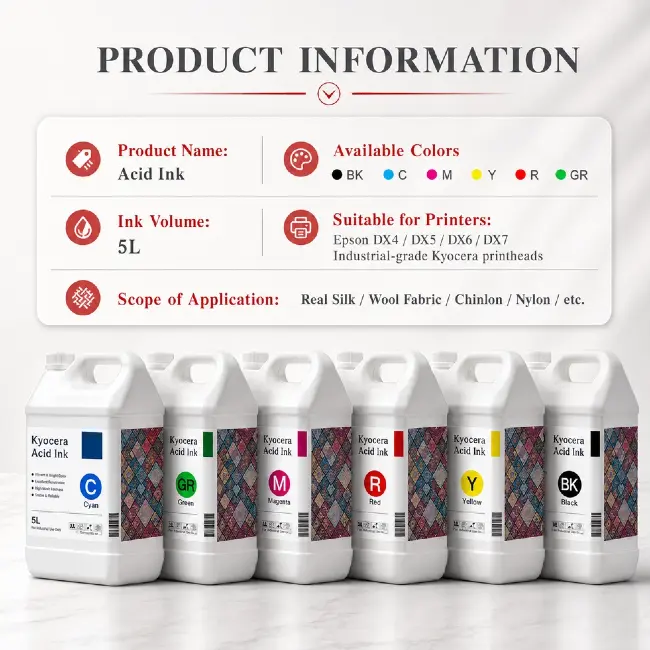
Models: Acid ink
Ink Capacity: 5000 ML
MOQ: 4 Set
Ink Type: Waterbase
Weight: 5.5 KG
Packing: carton packaging
Shelf Life: 12 Month
Optional Colors:

Professional Water-Based Acid Ink, High Vibrancy & Color Fastness Acid Printing Ink for Textile Fabric and Art Printing

Acid ink is a professional water-based dye ink specially developed for protein fibers and synthetic fibers, becoming the preferred printing material for textile factories, art studios and handmade creators worldwide. Different from ordinary printing ink, our acid ink adopts high-purity acid dye formula, which combines excellent water solubility, ultra-high color saturation and industry-leading color fastness. This acid ink does not contain harmful chemical ingredients, features low volatility and zero peculiar smell, fully meeting global environmental protection and safety standards for printing materials.

As a core acid printing ink product, our acid ink solves the common pain points of traditional ink such as easy fading, pattern bleeding, poor water resistance and dim color. Whether it is large-scale industrial textile printing or small-batch art creation, this high-performance acid ink can present clear, delicate and long-lasting color effects. The stable formula of the acid ink ensures consistent color output in mass production, avoiding color difference and improving product yield effectively.Acid ink raw material display, high-purity acid dye formula for printingAcid ink water solubility test, quick dissolving water-based acid inkAcid ink color card display, full vibrant color acid printing ink set
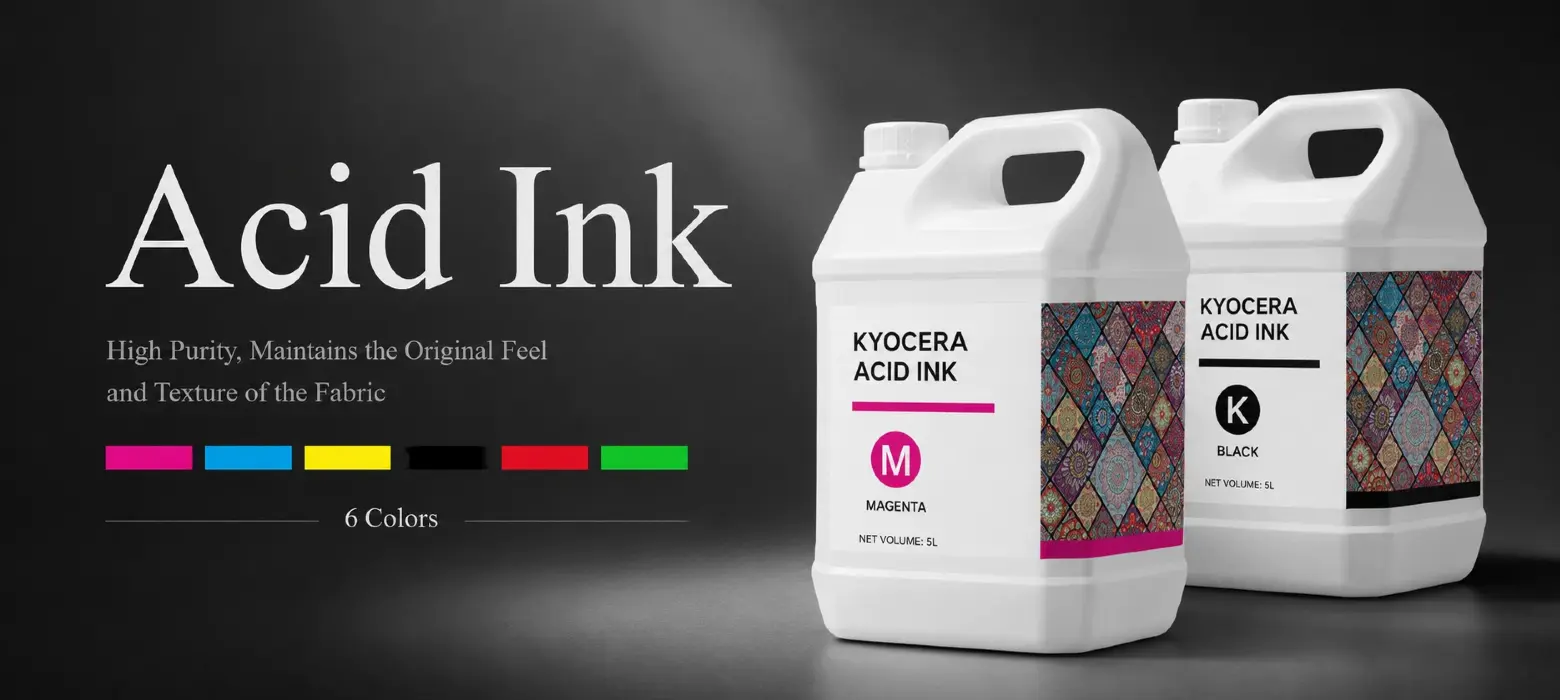
Core Features of Our Acid Ink

  • Excellent Color Performance: Our acid ink has ultra-high color concentration and saturation, with rich and pure color tones. The vibrant acid ink can restore design colors 1:1, without color distortion or graying. It supports multi-color superposition and gradient printing, meeting diverse personalized printing and dyeing needs.
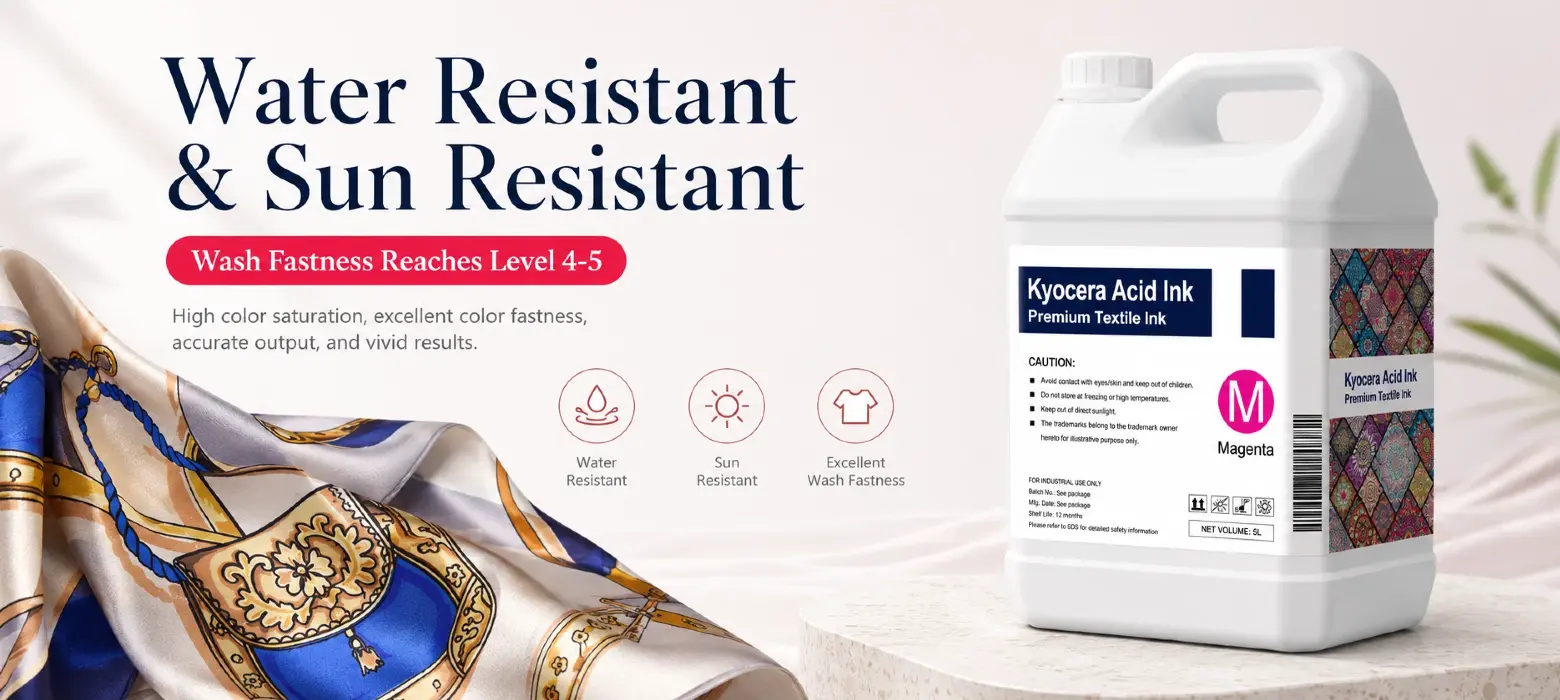
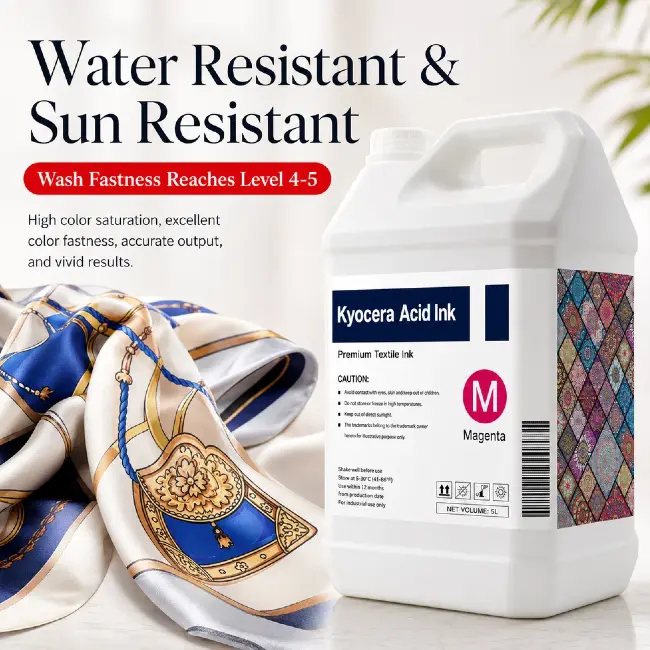
  • Superior Color Fastness & Water Resistance: After professional curing treatment, the acid ink forms a firm adhesion layer on the fabric surface. The finished product can resist repeated washing, friction and sunlight exposure, with no fading, no peeling and no bleeding. The color fastness of this acid ink reaches international textile grade standards, suitable for daily wearable fabric products
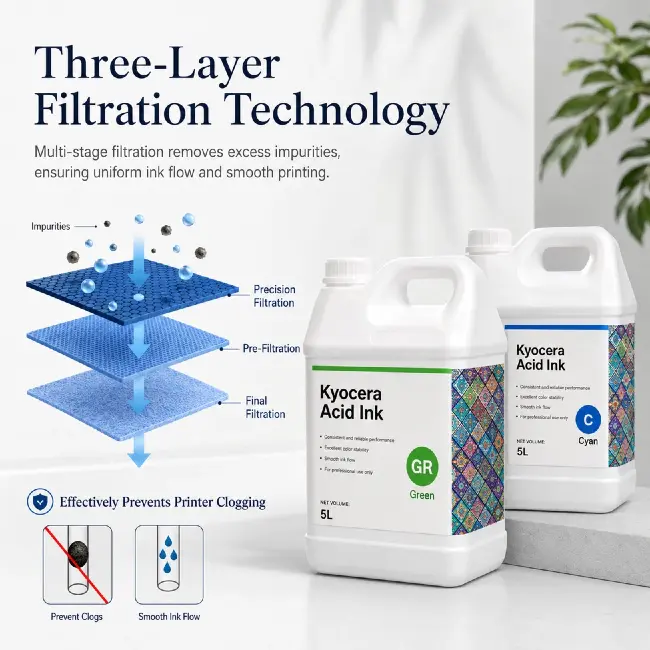
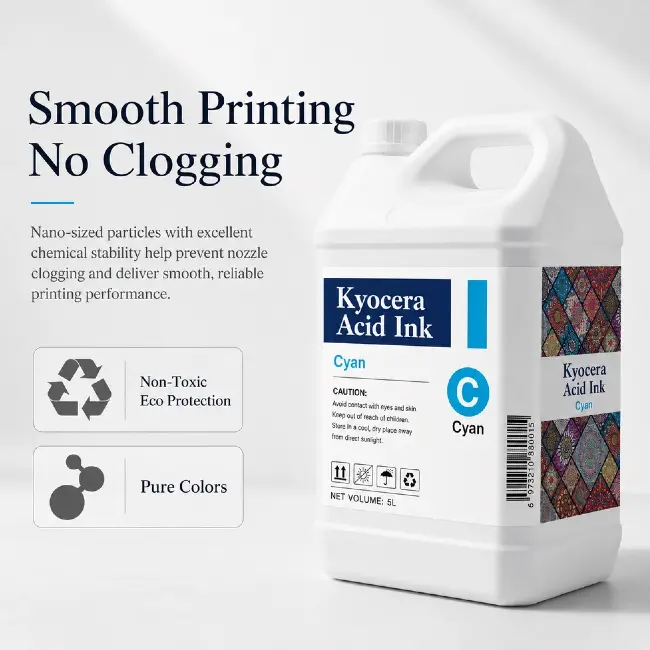
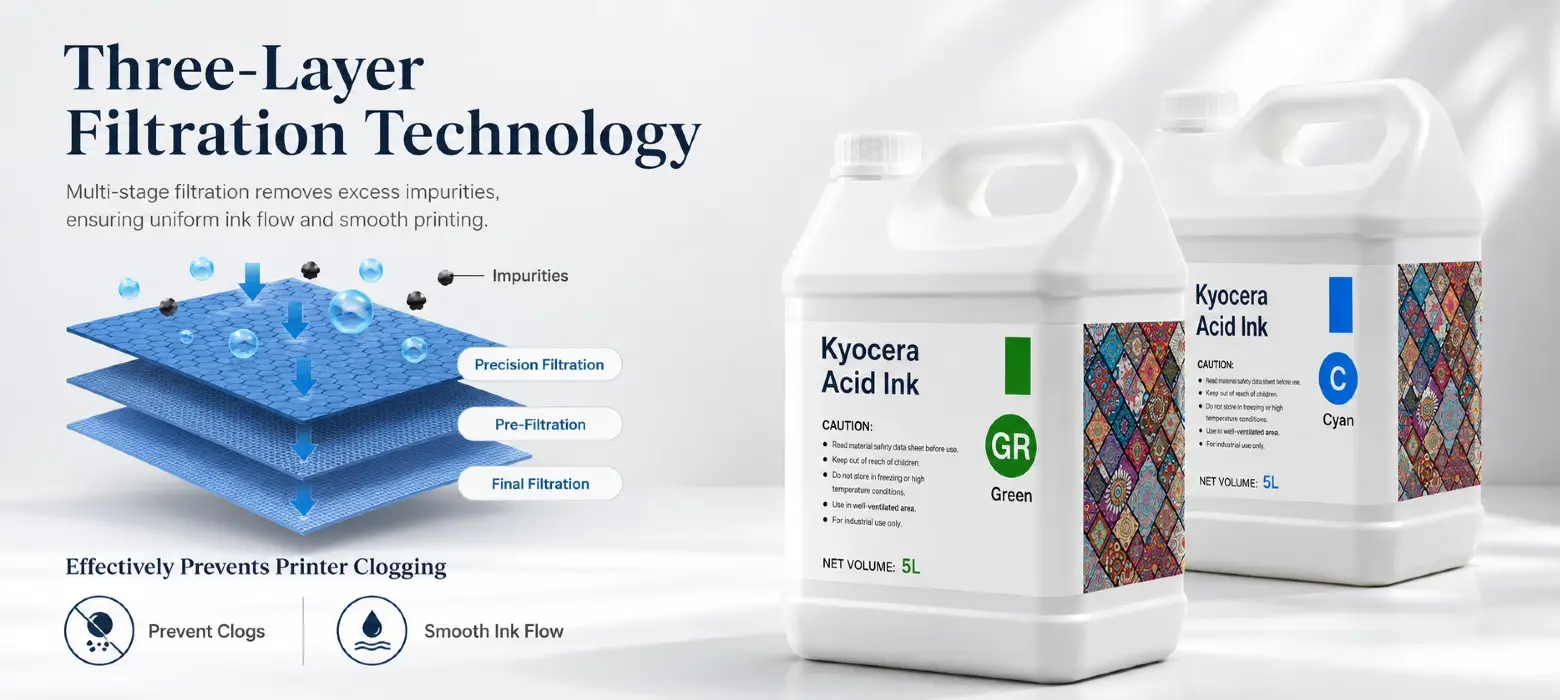
  • High Water Solubility & Easy Operation: This water-based acid ink adopts nano-level grinding technology, with fine and smooth ink texture, no precipitation and no blockage. It can be directly diluted with clean water according to usage scenarios, suitable for screen printing, spray printing and hand painting. The acid ink dries fast, greatly improving printing efficiency.
  • Eco-Friendly & Safe Formula: Our acid ink is formaldehyde-free, heavy metal-free and volatile toxin-free. The low-odor formula is harmless to human body and environment, passing SGS environmental protection certification. It is safe for both industrial workers and handmade creators to use for a long time.
  • Wide Material Compatibility: The professional acid ink is perfectly compatible with wool, silk, cashmere, nylon and other protein and polyamide fibers. It has strong permeability and adhesion on fiber surfaces, which is incomparable to ordinary universal ink, ensuring perfect printing effect on special fabrics.
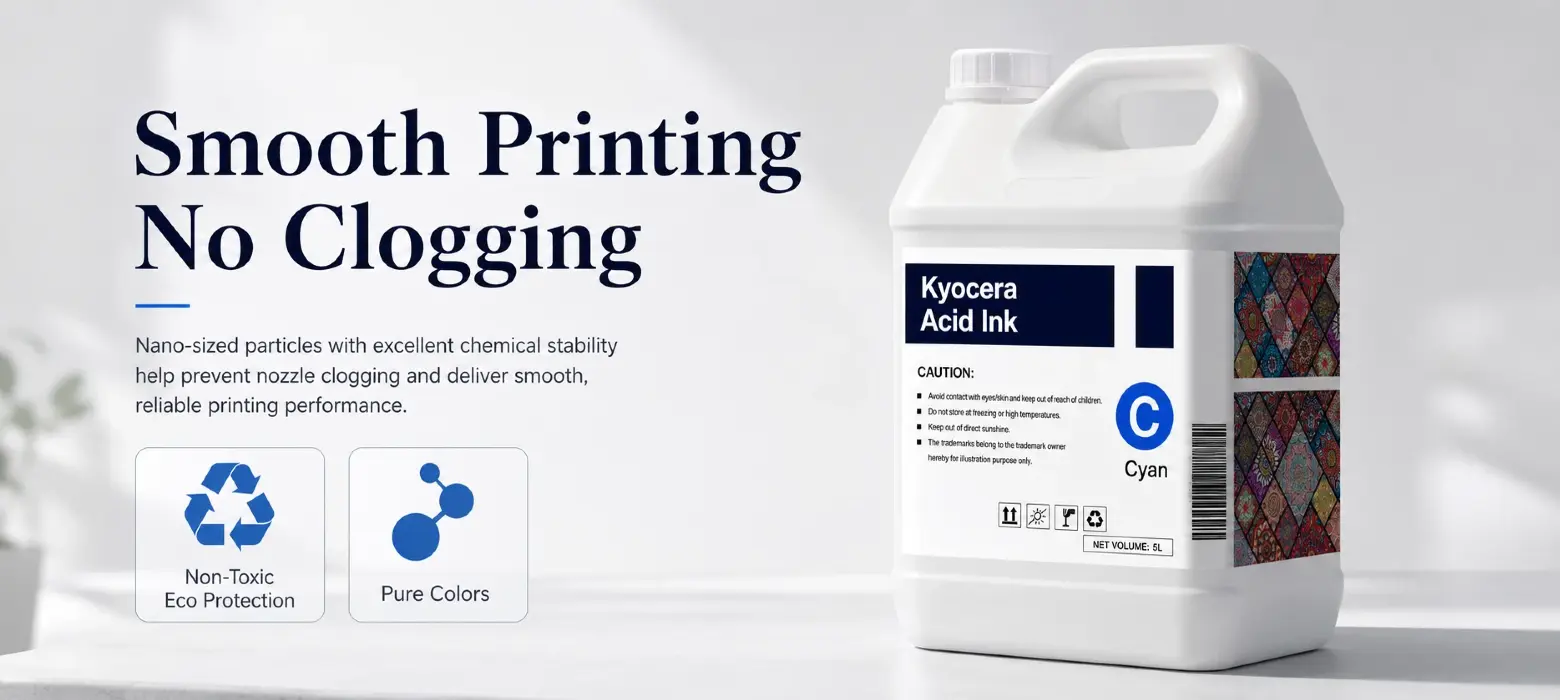
Acid ink fabric printing test on silk material, clear pattern acid ink effect

Main Applications of Acid Ink

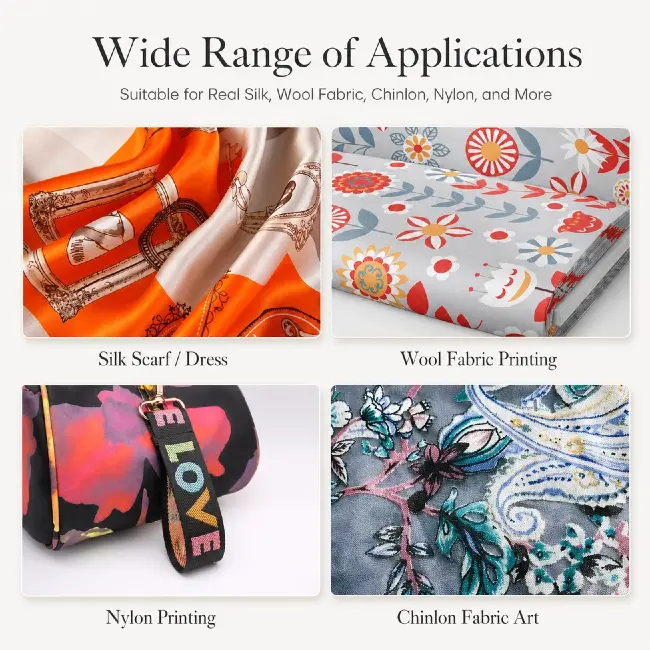
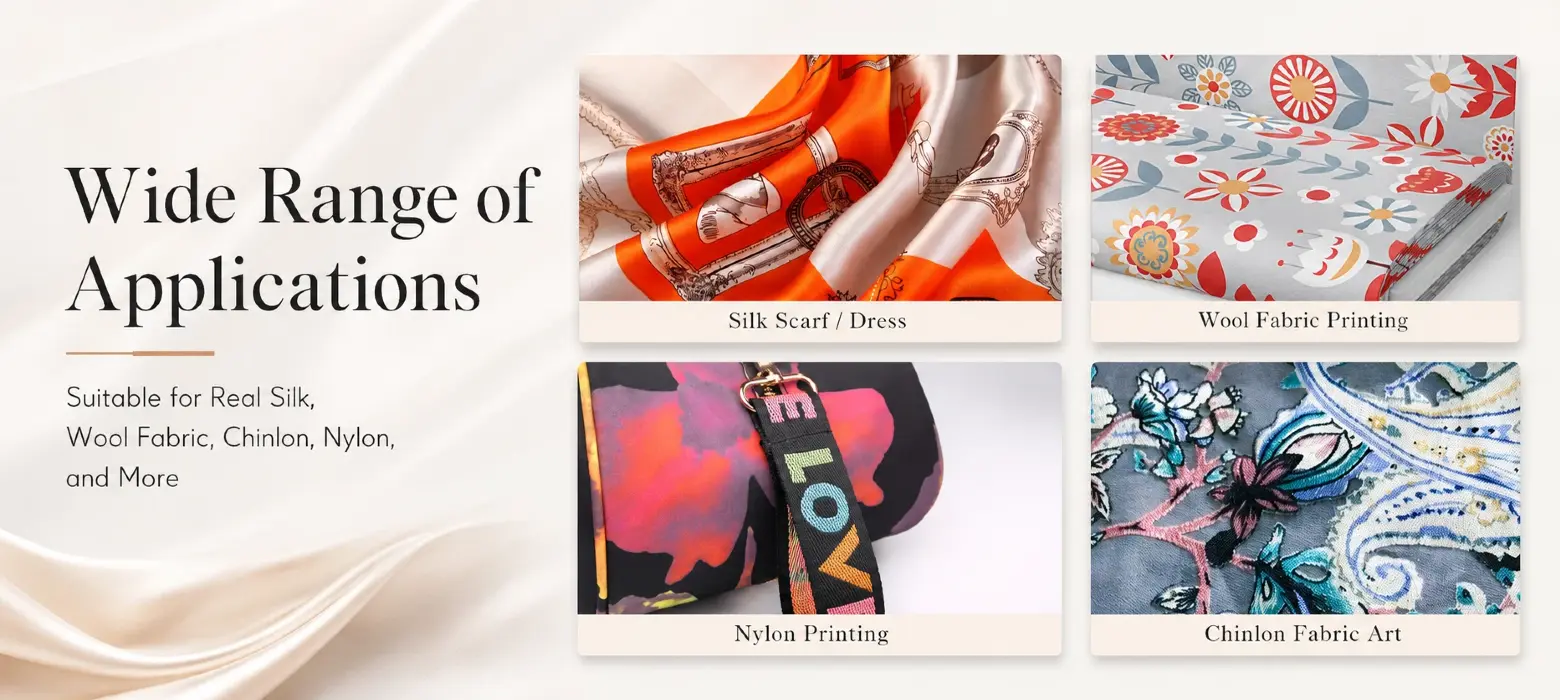
Our acid ink is widely used in multiple fields relying on its excellent performance. In the textile industry, the acid ink is used for batch printing and dyeing of silk scarves, wool garments, nylon fabrics, knitted fabrics and other textile products, supporting customized pattern and color production. In the art creation field, the vibrant acid ink is the best choice for fabric hand-painting, textile art design, personalized clothing customization and handmade artwork production.

In addition, this high color fastness acid ink is also applicable to craft decoration, fabric gift customization, home textile product printing and other scenarios. The stable performance of the acid ink can meet the high-standard production requirements of commercial products and the creative needs of amateur creators, with strong practicability and versatility.Acid ink printing effect on wool fabric, no bleeding high adhesion acid ink
Product Specifications of Acid Ink

Product NameWater-Based High Color Fastness Acid Ink
Main IngredientHigh-purity acid dye, deionized water, environmentally friendly auxiliary agent
Color OptionsStandard 24 colors, support custom color matching
SolubilityFull water-soluble, no precipitation
Color Fastness GradeGrade 4-5 (international textile standard)
Drying Time5-10 minutes (natural drying at room temperature)
Applicable MaterialsSilk, wool, cashmere, nylon, polyamide fiber
CertificationMSDS
Storage Life24 months (sealed and stored in cool and dry place)

Usage Instructions for Acid Ink

  • Shake the acid ink evenly before use to ensure uniform color concentration and avoid local color difference.
  • According to printing needs, dilute the acid ink with clean water in an appropriate ratio (undiluted for high-precision dark pattern printing, diluted for light color gradient printing).
  • Clean the fabric surface to remove dust and oil stains, then start printing, hand-painting or spraying operations.
  • After the ink is printed, place it flat and dry naturally or dry it at low temperature to improve the adhesion and color fastness of the acid ink.
  • Clean the printing tools with water in time after use to prevent the acid ink from drying and blocking the tools.
Acid ink washing resistance test, high color fastness acid dye ink

Why Choose Our Acid Ink?

We are a professional acid ink manufacturer with years of experience in printing ink R&D and production. Every batch of our acid ink undergoes strict quality testing to ensure stable color, reliable performance and compliant quality. Compared with other ordinary acid printing ink products, our acid ink has higher color saturation, better washing resistance and more stable formula.

We support global wholesale, customized packaging and private label services, providing one-stop solutions for textile factories, art studios and distributors. With stable supply, fast delivery and professional after-sales service, our high-quality acid ink has won long-term recognition from customers all over the world.

Ordering Process

1

Submit inquiry

Fill in your requirements and contact information, and our sales consultant will contact you within 24 hours

2

Solution Confirmation

Provide customized solutions and quotations based on your needs, and sign the contract after confirmation

3

Payment Arrangement

Support multiple payment methods and flexible payment cycles to meet the needs of different enterprises

4

Delivery and Installation

Professional logistics delivery, engineers come to install and debug on-site, and provide operational training

5

After-sales Service

A comprehensive after-sales support system, regular maintenance, and fast response technical support

FAQ
What is acid ink and what are its main industrial applications?
Acid ink is a specialized dye-based formulation containing acidic components, primarily used for marking and coding on non-porous surfaces such as metals, glass, ceramics, and certain plastics. Unlike water-based or solvent-based inks, acid ink chemically etches or reacts with the substrate surface to create permanent, high-contrast marks that resist abrasion, heat, and chemical washing. Common applications include automotive part tracing, electronic component labeling, glass bottle date coding, and aerospace component identification. This ink is ideal for industries requiring durable traceability under extreme conditions, including oil and gas, medical device manufacturing, and heavy machinery production. For optimal results, acid ink is applied via continuous inkjet (CIJ) printers or thermal inkjet (TIJ) systems with specialized corrosion-resistant printhead components.
How does acid ink chemically interact with metal surfaces to ensure permanent marking?
Acid ink works through a controlled chemical reaction between the acidic colorants or etchants and the metal oxide layer on the substrate. When deposited onto a surface, the ink’s low pH (typically 1.5–3.5) dissolves the passive oxide film, allowing the dye pigment to penetrate micro-porosities or form a metal-complex compound. This reaction creates a mark that is not merely surface-coated but integrally bonded to the material, ensuring resistance to rubbing, solvent wiping, and temperature fluctuations up to 300°C. The etching depth is precisely calibrated to avoid structural compromise while delivering legible, scannable barcodes or alphanumeric codes. For stainless steel, aluminum, and copper alloys, acid ink formulations often include phosphoric or citric acid derivatives to achieve consistent dark black or high-contrast white marks without post-treatment heating.
What surface preparation and curing conditions are required for acid ink printing?
Proper surface preparation is critical for acid ink adhesion and reaction efficacy. Surfaces must be clean, dry, and free from oil, grease, rust, or oxide scale—degreasing with isopropyl alcohol or a mild alkaline cleaner is recommended prior to printing. Unlike UV-curable inks, acid ink does not require external UV lamps or heat ovens for curing; it chemically develops at ambient temperatures (15°C–35°C) within 2–10 seconds, depending on humidity and substrate reactivity. However, low temperatures below 10°C slow the etching reaction, so pre-warming the substrate or using a heated printhead enclosure is advised for winter production lines. Relative humidity should remain between 40%–70% to prevent ink crystallization or excessive drying on the nozzle. Always conduct a dot-spread and adhesion test on production samples before full-scale runs, as different alloy compositions may affect final contrast and permanence.
Is acid ink compatible with all continuous inkjet (CIJ) and thermal inkjet (TIJ) printers?
Acid ink is specifically engineered for CIJ printers with acid-resistant fluid paths, including stainless steel or ceramic components, because its corrosive nature can degrade standard brass or nickel-plated nozzles. Compatible CIJ systems typically feature perfluoroalkoxy (PFA) tubing, sapphire or ruby orifice plates, and chemically inert filters. For TIJ printers, only industrial-grade printheads with protected heating elements and hydrophobic coatings are suitable—consumer or office TIJ cartridges will fail within hours due to acid attack. Major compatible printer brands include Videojet, Domino, Markem-Imaje, and Linx, provided they are configured with the acid ink kit option. Never mix acid ink with other ink types or flush with standard solvents; use only manufacturer-recommended make-up fluid and cleaner to prevent precipitation, clogging, or hazardous gas release. Always check your printer’s material compatibility chart before converting to acid ink.
What safety, handling, and storage precautions are essential for acid ink?
Acid ink is classified as a corrosive liquid (UN 1760) and requires strict adherence to OSHA and GHS guidelines. Personal protective equipment (PPE) mandatory includes nitrile gloves, chemical splash goggles, and aprons—neoprene or PVC gloves are not recommended as acid penetration may occur within minutes. Work areas must be equipped with eyewash stations and emergency showers within 10 meters. Storage should be in polyethylene or fluorinated containers, kept tightly sealed at 5°C–30°C in a well-ventilated, fire-proof cabinet, away from oxidizers, bases, and metals. Shelf life is typically 12–18 months when stored upright and protected from direct sunlight; agitate gently before use if pigment settling is observed. In case of skin contact, rinse immediately with copious water for 15 minutes and seek medical attention; for spills, neutralize with sodium bicarbonate or calcium carbonate before absorbing with inert material. Always consult the Safety Data Sheet (SDS) for specific neutralization and disposal protocols per local environmental regulations.
How does acid ink performance compare to laser marking or mechanical engraving?
Acid ink offers distinct advantages over laser marking and engraving in terms of cost, speed, and substrate versatility. While laser systems require high capital investment and maintenance, acid ink operates at a fraction of the cost per mark—typically $0.0005–$0.002 per character—with printing speeds up to 6 m/s for CIJ systems. Unlike mechanical engraving, acid ink produces no vibrations, tool wear, or swarf, making it ideal for thin-walled or delicate components. However, acid ink marks have lower contrast on reflective surfaces compared to laser-annealed marks, and the chemical reaction may not be suitable for all alloys, particularly those with high chromium content (>25%) or fully anodized aluminum. For applications requiring ultra-fine resolution (<0.2 mm) or color marks beyond black/white, laser or resin-based inks are preferable. Acid ink excels in high-volume, mixed-material production lines where speed, low operating cost, and resistance to washdown chemicals are paramount.
What are the most common quality issues with acid ink printing and how can they be troubleshooted?
Common quality issues include poor contrast, feathering, nozzle clogging, and incomplete drying. Poor contrast often results from inadequate surface cleanliness or incorrect ink viscosity—measure viscosity with a Zahn cup and adjust with makeup fluid if above 4.0 cSt. Feathering or dot bleeding indicates excessive ink flow or low surface tension; reduce printhead temperature or increase deflection voltage. Nozzle clogging is typically caused by infrequent purging or using incompatible cleaners; establish a daily automatic purge cycle and flush with acid-neutralizing solvent after each shift. Incomplete drying or smudging occurs when relative humidity exceeds 75% or substrate temperature drops below 5°C; install an air knife or warm-air blower downstream. For intermittent missing dots, check ground continuity and static elimination—acid ink is sensitive to electrostatic discharge. Maintain a detailed log of ink batch numbers, environmental conditions, and printhead hours to correlate issues with specific variables. If problems persist, contact your ink supplier for a formulation adjustment optimized for your ambient conditions.
Can acid ink be used for food-grade or pharmaceutical packaging coding?
Acid ink is generally not recommended for direct food-contact applications due to the acidic nature and potential migration of etchants into edible products—FDA 21 CFR and EU 10/2011 compliance is typically not achievable with standard acid inks. However, it is widely approved for secondary packaging (e.g., outer cartons, shrink wraps, and pallet labels) and for coding on pharmaceutical glass vials or ampoules where the ink is applied to the external surface only, with no direct product contact. For direct food packaging (e.g., metal cans or foil lids), use low-migration UV-curable or solvent-based inks with food-contact certifications. Always request a migration test report from your supplier and verify that your specific application meets local regulations such as GB 4806 in China or the Swiss Ordinance on Materials and Articles. For pharmaceutical traceability, acid ink’s resistance to sterilizing agents (ethylene oxide, autoclaving) makes it a preferred choice for medical device labels, but never use it on implantable devices or internal surfaces.